Solar Systems
System sizes, what a full quote includes and how to size from your bill.
The type of system changes the parts, the cost and what happens in a power cut. Here is what each complete system includes.
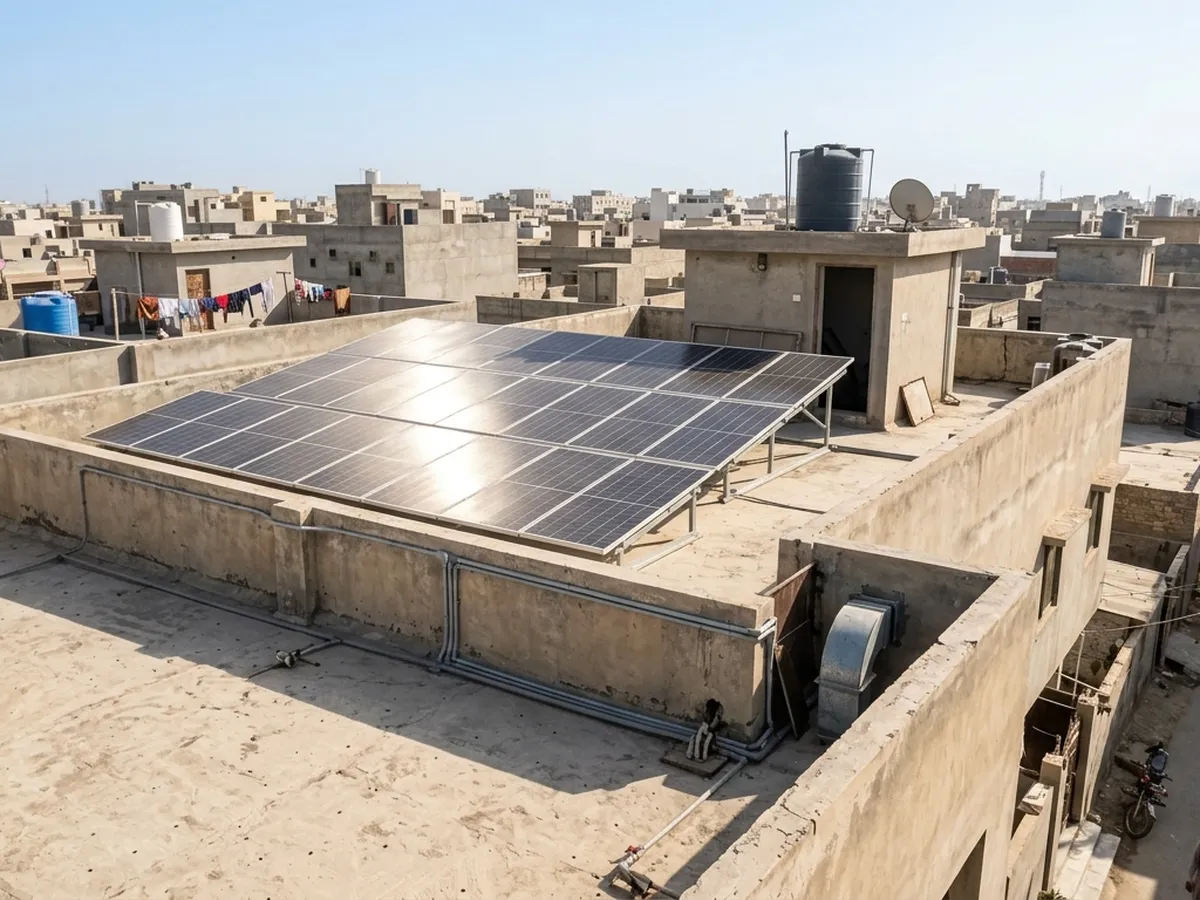
The inverter page explains how each inverter type behaves. This page looks at the complete system, with every part that goes with it, because the quote differs a lot between types.
An on-grid system is panels, a grid-tied inverter, protection and structure. A hybrid system adds a hybrid inverter, a battery and a backup circuit. An off-grid system uses an off-grid inverter, a battery bank and often a charge controller.
The parts list also changes the installation work and the approvals you need.
A good quote names every item.
| Part | On-grid | Hybrid | Off-grid |
|---|---|---|---|
| Panels and structure | Yes | Yes | Yes |
| Inverter | Grid-tied | Hybrid | Off-grid |
| Battery | No | Yes, for backup | Yes, sized for nights |
| Separate backup circuit | No | Yes | Whole house |
| Charge controller | No | Built into the inverter | Built in or separate |
| DC and AC protection, earthing | Yes | Yes | Yes |
| Grid application | Yes, if exporting | Yes, if exporting | No |
Choose by your outages and your habits.
Rough order from cheapest to dearest. Actual prices depend on size and brands.
| Cost driver | On-grid | Hybrid | Off-grid |
|---|---|---|---|
| Inverter | Lowest | Higher | Medium |
| Battery | None | Medium | Largest |
| Installation work | Least | More, with a backup circuit | More, with a large bank |
| Approvals | Needed if exporting | Needed if exporting | None |
The upkeep differs by type. An on-grid system needs little beyond cleaning the panels and checking connections once or twice a year. A hybrid system adds a battery, which needs a cool, ventilated place and a check on its health. A tubular battery bank also needs water top-ups and clean terminals.
An off-grid system carries the most upkeep, because the battery bank runs every night and wears fastest. Plan for battery replacement in the budget from the start, and ask the seller for the expected life in years and in cycles.
Across all three, the panels are the lowest-maintenance part. The inverter is the part most likely to need service, so ask who repairs it in Karachi before you buy.
Some owners start with an on-grid system and add batteries later. That works only if the inverter can control batteries. Most on-grid inverters cannot. If you think you might want backup later, ask for a hybrid inverter now, even if you start without a battery.
A system that exports power to the grid needs a K-Electric application through a PPIB pre-qualified vendor. We are not one, so we install the system and a vendor files the case. Read our K-Electric guide for the steps.
Short answers. For your own property, send us your electricity bill and roof details.
Ask on WhatsAppA hybrid system has a hybrid inverter and a battery, so it can power your house in a cut. An on-grid system has no battery and stops when the grid stops.
An on-grid system is usually the cheapest because it needs no battery.
For backup, yes. Without a battery, the backup feature does not work.
No. Off-grid systems run on their own and do not connect to the grid.
Yes. We supply and install on-grid, hybrid and off-grid systems.
System sizes, what a full quote includes and how to size from your bill.
3 kW, 5 kW and 6 kW systems: output, roof area, loads and quote checks.
On-grid, off-grid and hybrid inverters compared for Karachi homes and shops.
Lithium vs tubular batteries, sizing for load-shedding and cost per kWh.
Send your bill and your area. We will compare the options and give you a free estimate.