3 kW, 5 kW, 6 kW Systems
3 kW, 5 kW and 6 kW systems: output, roof area, loads and quote checks.
A complete system includes panels, inverter, mounting, cables, protection and installation. Here is how to size one from your bill and read the quote.
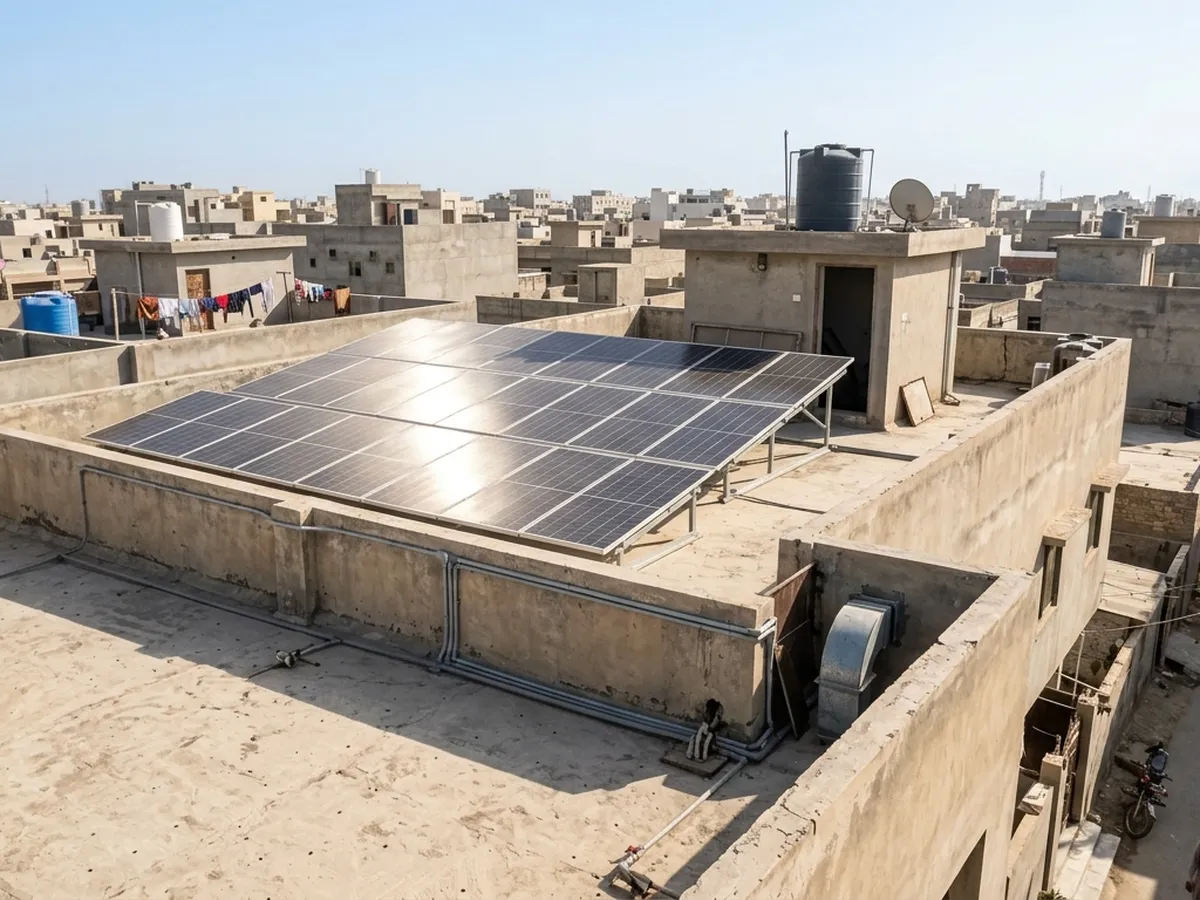
When someone asks for the price of a 5 kW system, they usually expect everything to be included. Quotes do not always match that expectation. A complete system has these parts, and a good quote lists each one.
If any of these is missing from a quote, ask whether it is included or whether it will be an extra charge later.
These are complete installed systems. The final price depends on roof access, cable lengths and the brands you choose.
| Item | Detail | Price (PKR) |
|---|---|---|
| 3 kW system | About 6 panels of 585 W, on-grid or hybrid | Rs 475,000 floor-mounted / Rs 555,000 raised |
| 5 kW on-grid | About 9 panels of 585 W, no battery | Contact us for latest prices |
| 5 kW hybrid | About 9 panels, hybrid inverter and battery | Rs 575,000 floor-mounted / Rs 675,000 raised |
| 6 kW system | 10 or 11 panels of 585 W | Rs 775,000 floor-mounted / Rs 900,000 raised |
| 10 kW on-grid | About 18 panels of 585 W, no battery | Contact us for latest prices |
| 10 kW hybrid | About 18 panels, hybrid inverter and battery | Rs 1,250,000 floor-mounted / Rs 1,425,000 raised |
Prices updated on 22 October 2026. Prices change often, so contact us for the latest exact price.
This is the method we use for a first estimate. A site visit refines it.
Look at the units consumed on your last few K-Electric bills. Summer bills are usually the highest, so look at those too.
Divide the monthly units by 30. A home using 600 units a month uses about 20 units a day.
A commonly used planning figure in Pakistan is about 4 to 5 units per kW of panels per day. Actual output depends on shading, tilt, dust and season.
At 4 to 5 units per kW, 20 units a day points to roughly 4 to 5 kW of panels. Then check that your roof has the space, and that the system stays within your sanctioned load.
On-grid systems cost less and suit homes and shops with short outages or mostly daytime use. They save money on the bill but switch off when the grid fails.
Hybrid systems add a battery and a hybrid inverter. They cost more, and they keep your essential loads running during load-shedding. Many Karachi homes choose a hybrid system for this reason.
There is also a rules point. Under the net billing rules introduced in 2026, the system size is tied to your sanctioned load, and exported power earns a low rate. That pushes buyers toward systems sized for their own use. The net billing page explains the details.
A very low system price often means smaller panels than stated, lower-grade cable, a thin mounting structure, or a missing warranty. Ask for the model of every major part and the warranty terms in writing. We put every item on our quotes so you can compare line by line.
Short answers. For your own property, send us your electricity bill and roof details.
Ask on WhatsAppThe price depends on the brands, whether it includes a battery and your roof. We quote on the day. Send your bill and your area on WhatsApp for a free estimate.
Divide your monthly units by 30 to get daily use, then divide by about 4 to 5 units per kW per day. A home using 20 units a day usually needs around 4 to 5 kW. A site survey confirms it.
It depends on system size, roof access and approvals. We confirm the schedule in your quote.
Often yes. Choose an inverter that allows more panels and tell us your plan now, so we leave room in the design.
Only if you want power during outages. Without a battery, an on-grid system saves on bills but stops when the grid does.
Rules and figures on this page were checked in October 2026. They change, so confirm the current position before you commit money.
3 kW, 5 kW and 6 kW systems: output, roof area, loads and quote checks.
Complete hybrid, on-grid and off-grid systems: parts, cost drivers and who each suits.
8 kW to 20 kW systems: panel counts, roof area, three-phase design and approvals.
1 kW and 2 kW systems for flats and small homes: panels, output and loads.
Size a whole solar system on paper: panels, inverter, battery, cost and payback.
Solar system packages from 1 kW to 20 kW and how to compare what they include.
Panel brands, wattage, price per watt and what suits Karachi conditions.
Inverter types, sizing, brands and what to check before you buy.
Lithium vs tubular batteries, sizing for load-shedding and cost per kWh.
The installation process, how to vet a solar company and Karachi site issues.
What replaced net metering, the K-Electric process and ways to pay for solar.
Send your latest K-Electric bill and your area in Karachi. We will recommend a system size and give you a free estimate.